
Understanding the Basics of Gambling A Beginner’s Guide
What is Gambling?
Gambling is the act of risking something of value on an event with an uncertain outcome, often with the intent of winning additional money or material goods. It can take many forms, from playing casino games like poker and blackjack to participating in lotteries or sports betting. At its core, gambling is about chance, strategy, and sometimes skill, but it also involves a significant element of risk. For those interested in learning more, sites like offshore casinos can provide useful insights.
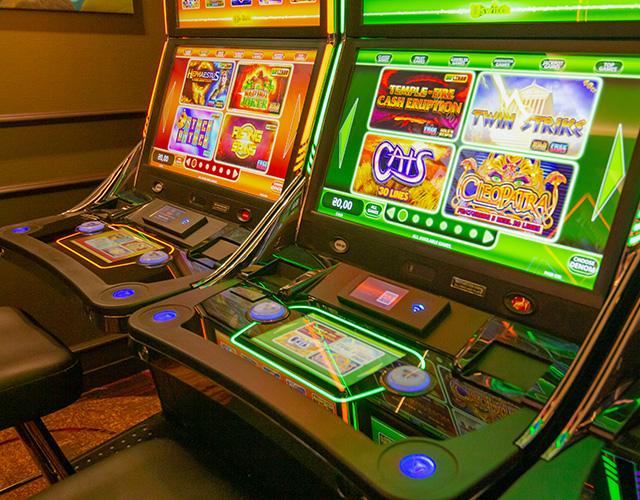
For beginners, understanding the motivations behind gambling can enhance their experience. Many people gamble for entertainment, the thrill of risk, or the hope of winning big. Others may engage in gambling as a social activity, enjoying the atmosphere of casinos or sports events. Regardless of the reasons, it’s crucial for newcomers to be aware of the potential pitfalls, such as addiction and financial loss.
Types of Gambling
Gambling comes in various forms, each offering its unique set of rules and dynamics. Casino games are perhaps the most well-known, featuring games such as slots, roulette, and table games. Sports betting allows individuals to place wagers on the outcomes of athletic events, adding an element of strategy based on team performance and statistics.
Another popular form is online gambling, which has surged in popularity in recent years. This includes virtual casinos and betting platforms that provide the convenience of gambling from home. Understanding these different types can help beginners choose what appeals most to them and what suits their level of experience.
Understanding Odds and Payouts
One of the fundamental aspects of gambling is understanding odds, which indicate the likelihood of a specific outcome occurring. Odds can be expressed in various formats, such as fractional, decimal, or moneyline, each serving the same purpose but appealing to different preferences. Beginners should familiarize themselves with these formats to make informed betting decisions.
Payouts are another critical aspect to grasp. They represent the amount a player wins relative to their stake. Knowing how to calculate potential returns can enhance the gambling experience, allowing players to make smarter choices based on their risk tolerance and budget.
Bankroll Management
Effective bankroll management is essential for anyone starting their gambling journey. This involves setting aside a specific amount of money for gambling activities and sticking to that budget. By doing so, beginners can avoid the risks associated with chasing losses and ensure they gamble responsibly.
Additionally, it’s vital for new gamblers to understand the importance of knowing when to walk away. Winning and losing streaks are common, and having a set plan for both can help maintain a balanced approach to gambling. This strategy will not only protect one’s finances but also enhance the overall enjoyment of the activity.

Resources for Gamblers
For those looking to explore the world of gambling further, various resources are available to help enhance understanding and skills. Websites, books, and forums dedicated to gambling can provide valuable insights, strategies, and community support. These platforms often feature expert advice, tips, and guides tailored specifically for beginners.
Additionally, understanding the regulatory landscape surrounding gambling can be beneficial. Many jurisdictions have specific laws and guidelines governing gambling activities, ensuring fairness and safety for participants. Familiarizing oneself with these regulations can empower individuals to make informed decisions and engage in responsible gambling practices.
